
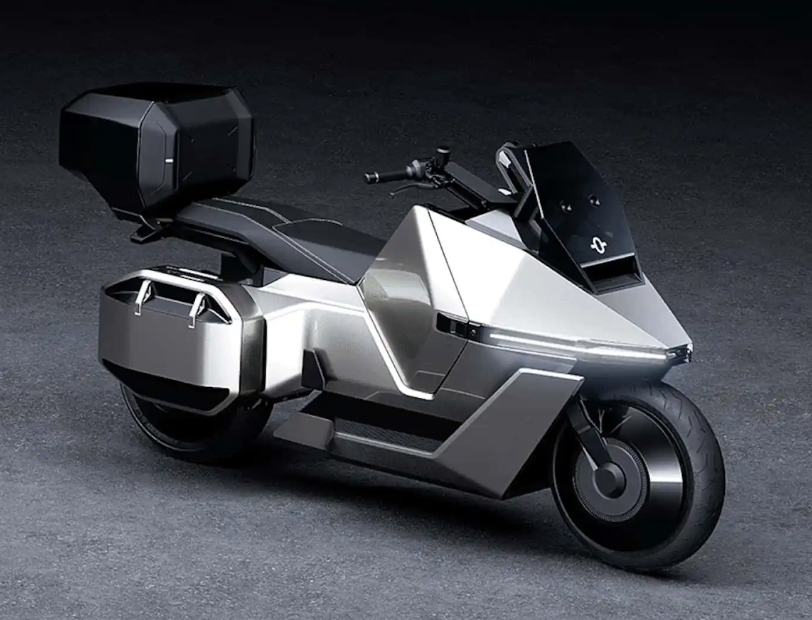
Yes, you read that right — autonomous scooters. It sounds like something straight out of a sci-fi movie, but this technology is on the horizon, and sooner than you might think. Let’s dive in.
What Is a Self-Driving Scooter?
In this article, we’ll cover both seated and standing electric scooters, because the field is still emerging, and it’s exciting to explore advances in both categories. A self-driving scooter is an e-scooter equipped with sensors, cameras, and AI systems that enable it to move, park, or reposition itself without a rider. Some models can even be operated remotely.
These autonomous scooters can navigate short distances, avoid obstacles, and return to charging stations automatically — reducing the need for human intervention in shared scooter fleets or delivery operations.
It may sound futuristic, but prototypes are already being tested in cities around the world. We’ll explore some of the most notable examples below.
How Self-Driving Scooter Technology Works
Self-driving technology works similarly across cars and scooters, relying on a combination of AI software, sensors, and IoT connectivity. The scooter is programmed to interpret its surroundings, detect obstacles, and plan or follow routes autonomously. Here’s a closer look:
-
Sensors: Autonomous scooters are equipped with sensors — such as cameras, LiDAR, or radar — to detect and map their environment in real time. These sensors help the scooter identify obstacles, lanes, and other objects around it.
-
AI Software: All the data collected by the sensors is processed by onboard AI systems. The software differentiates between obstacles, decides whether to stop, wait, or navigate around them, and ensures safe and efficient movement.
-
GPS / IoT Connectivity: While not strictly required for autonomous operation, GPS and IoT connectivity are standard in most self-driving scooters. This allows the vehicle to communicate with a central system, enabling fleet management, real-time tracking, and remote support if needed.
Together, these technologies allow self-driving scooters to navigate urban environments safely and efficiently — paving the way for smarter micromobility solutions.
How Autonomous Scooters can make a difference
The most obvious reason? Convenience. Anything that gives riders peace of mind and lets them do less while still getting things done is always going to make an impact. But there’s more to it than just ease — some of the reasons behind developing self-driving scooters might surprise you. Here are a few key drivers pushing this technology forward.
More Efficient Redistribution
One of the biggest challenges for shared or fleet e-scooters is making sure enough units are available in high-demand areas. Autonomous scooters can help solve this problem:
-
Lowering Costs: Balancing scooters across stations usually requires significant effort and expense. Self-driving scooters could handle redistribution automatically, reducing operational costs and simplifying management.
-
Higher Availability: When scooters can self-park and detect if they’re improperly positioned, stations stay stocked and charged. This means more scooters ready to ride when and where customers need them.
Enhanced Safety
Autonomous scooters can include advanced safety features, like stopping when obstacles appear. While humans are quick, AI can react even faster. Self-balancing software also helps ensure stability, giving riders a smoother and safer experience.
Smarter Data Insights
With AI-powered scooters collecting data on usage, traffic patterns, and rider behavior, cities can gain valuable insights to plan infrastructure, optimize urban mobility, and make smarter decisions for the future.
Challenges Facing Autonomous Scooter Development
Despite the excitement, fully self-driving scooters still face major hurdles:
-
Regulations: Many cities lack clear frameworks for autonomous micromobility.
-
Safety: Reliable obstacle detection and pedestrian avoidance are complex challenges.
-
Infrastructure: Not all cities are equipped for connected, self-navigating vehicles.
-
Public trust: Riders and pedestrians need confidence in the technology’s safety.
Until these challenges are addressed, large-scale deployment will remain limited to pilot programs and controlled environments.
The Self-Driving Scooter Revolution: Prototypes
Autonomous vehicles are becoming more common, but self-driving electric scooters are still in the prototype phase. We've identified two models that appear to be closer to production than others.
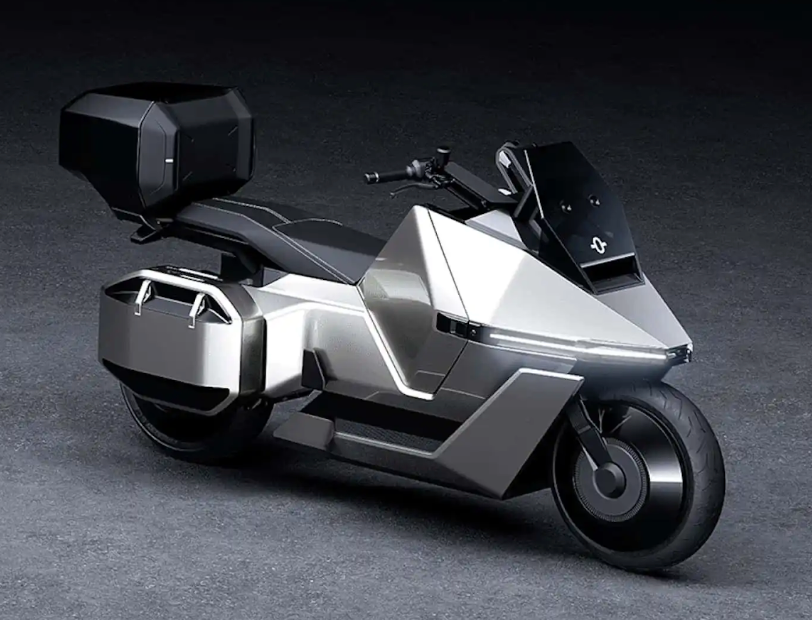
This scooter features a “Halo Pilot” system, which comes complete with adaptive cruise control, remote summon, self-parking, and even automatic reversing and self-balancing at low speeds. It also is expected to offer collision warning, emergency-brake assist, blind spot monitoring, and V2V communication - entirely mimicking the technologies we’ve already seen in EV’s. With anticipated launch in Indonesia, other markets could be soon to follow.
Segway T60 Teleoperating scooter
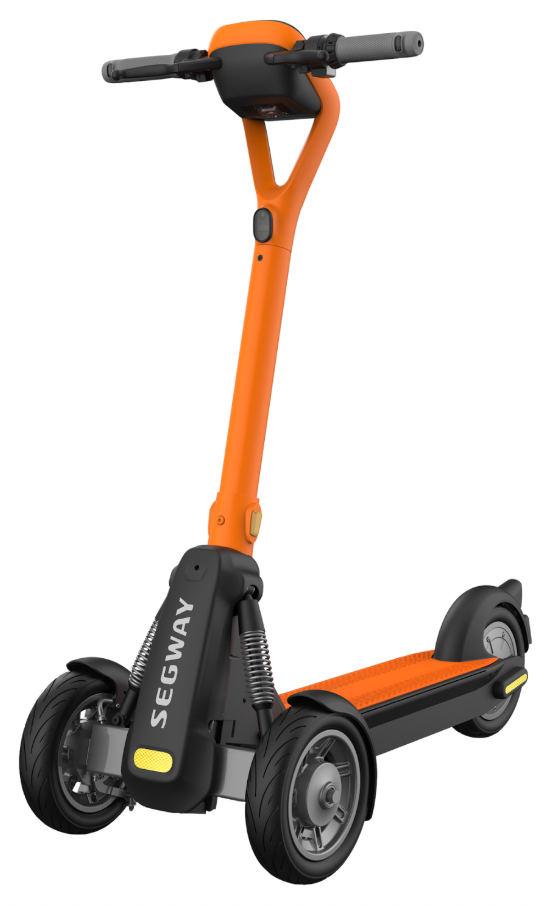
As Segway prepares to launch its pilot program, they’ve designed this scooter to tackle some of the biggest challenges in e-scooter sharing. The goal? Reduce clutter on city streets from improperly parked scooters and improve redistribution efficiency.
The scooter features three wheels instead of two, providing a more comfortable ride for users and better stability when idle. On top of that, it’s designed to ensure scooters are always charged and ready for the next rider.
The Future Outlook: When Will Self-Driving Scooters Become Common?
While the future of self-driving scooters is still a bit uncertain—they’re mostly in the prototype phase—we can make an educated guess. Autonomous e-scooters will likely become more common on city streets over the next 3–5 years, especially within e-scooter sharing programs where the added cost makes sense. They could also be a hit in private or controlled environments, like resorts or theme parks—imagine cruising around Disney on a self-driving scooter!